
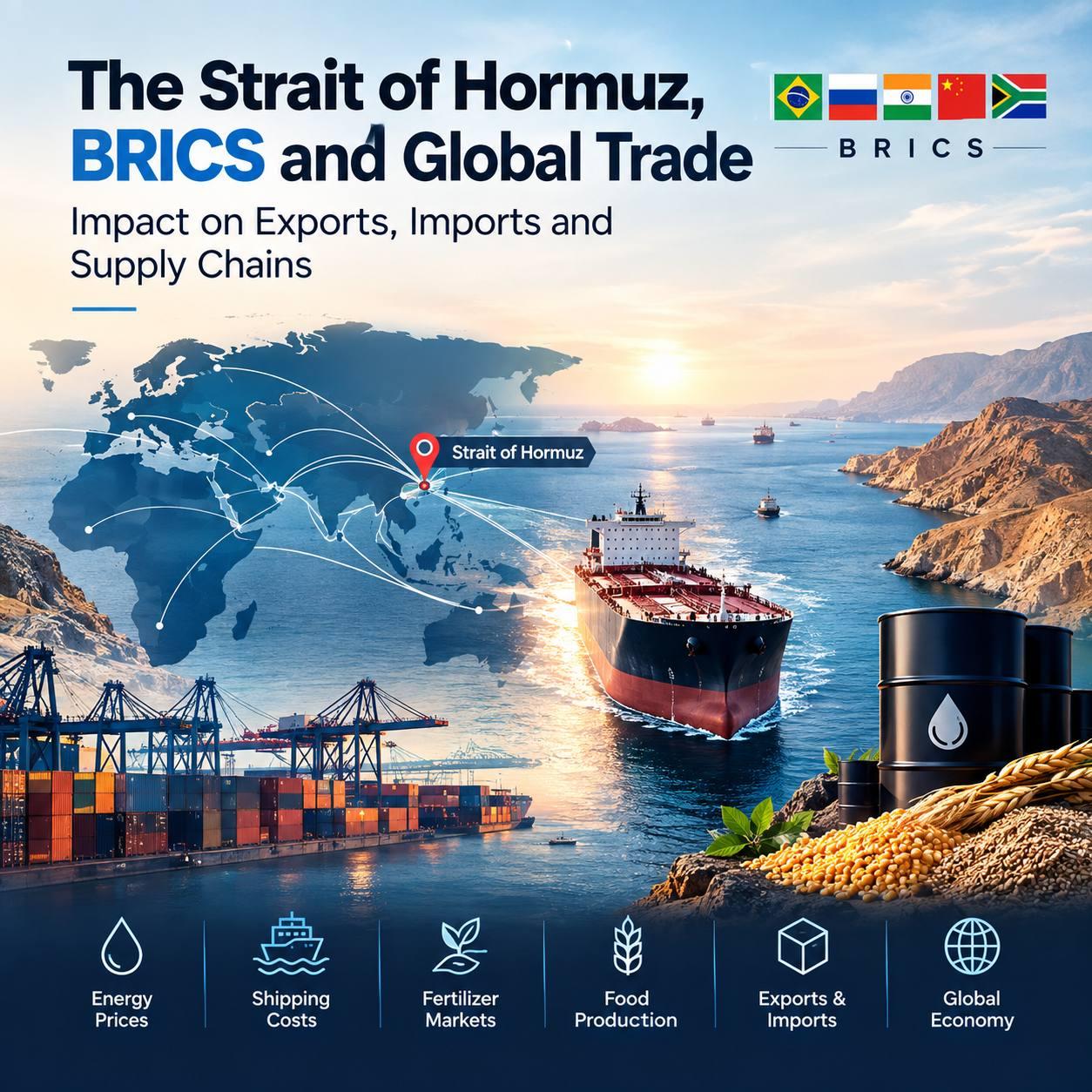
how disruptions in the Strait of Hormuz can impact BRICS economies, global trade, exports, imports, energy prices, shipp...
صادرات کن
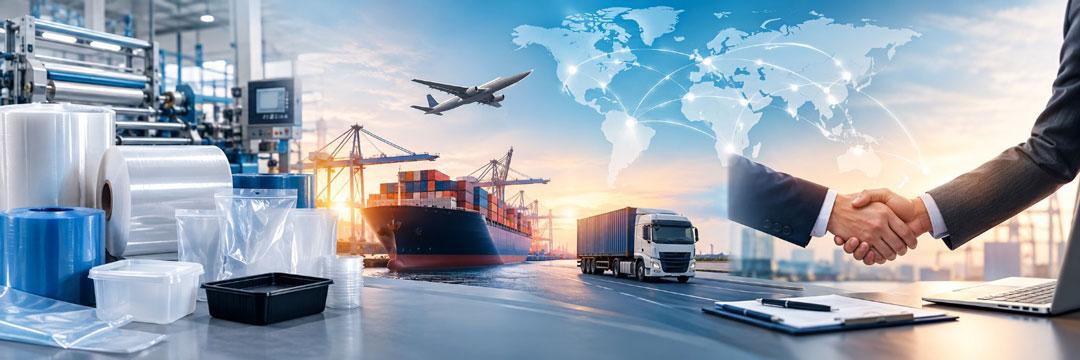
A shipment of plastic packaging materials can look like an ordinary commercial transaction. A manufacturer produces it, a buyer orders it, and eventually the goods cross a border.
But that simple sequence hides a much bigger story.
Behind a single shipment are production decisions, market demands, negotiations, logistics, quality expectations, and most importantly, two businesses trying to find the right reason to work with each other.
For the manufacturer, the journey may begin on a factory floor. For the buyer, it may begin with a search for a better source of supply.
Somewhere between the two, a business opportunity takes shape.
Plastic packaging materials rarely belong to just one industry.
They move through food production, agriculture, retail, pharmaceuticals, chemicals, manufacturing, and countless other sectors. A bag, film, container, or packaging component produced in one market can become an essential part of another company's operations somewhere else in the world.
That is what makes the category particularly interesting in international trade.
The manufacturer may be focused on making the product efficiently and consistently. The buyer may be focused on finding the right product at the right commercial terms.
They are looking at the same product from completely different perspectives.
A manufacturer does not necessarily need to be located in one of the world's largest industrial markets to become part of global trade.
Sometimes, the right product is already being produced. What is missing is exposure to the right market.
A supplier may have production capacity available. A distributor in another country may be searching for an additional source. A food company may need a specific type of packaging for a new product line.
The demand exists.
The supply exists.
The challenge is making them visible to each other.
International sourcing often begins with a problem.
A buyer may need a new supplier because demand has increased. An existing supplier may no longer be competitive. A new market may require different packaging. Or a company may simply want to reduce its dependence on a single source.
Whatever the reason, the search begins.
And this is where a product has to do more than exist.
It has to stand out.
In B2B trade, the first impression is rarely about appearance alone.
A potential buyer wants to understand what is actually behind the product: who supplies it, what markets it can serve, whether the supplier can handle commercial volumes, and whether a conversation could realistically lead somewhere.
The product itself opens the door.
The supplier's reliability determines whether the door stays open.
The most visible part of international trade is often the shipment.
The least visible part happens long before it.
There may be emails exchanged across time zones, product specifications reviewed by different teams, questions about quantities and packaging, discussions about commercial terms, and countless small decisions that determine whether an initial inquiry becomes an actual order.
None of this appears on the final shipment.
Yet all of it matters.
A B2B platform can be the point where that conversation starts.
Instead of relying entirely on established networks or traditional intermediaries, suppliers can place their products in front of businesses that are actively exploring new commercial opportunities.
For buyers, discovering the right products is only the first step.
The real value comes when discovery leads to communication.
A product page becomes an inquiry. An inquiry becomes a conversation. A conversation may become a negotiation.
And sometimes, a negotiation becomes a long-term business relationship.
International business has always involved distance.
Today, technology has made it easier to discover a supplier in another country, but discovering a company is not the same as trusting it.
That distinction matters.
A buyer may be interested in a particular type of packaging, but before placing an order, they need confidence that the supplier understands the requirement and can deliver consistently.
The same is true from the other side.
A manufacturer is not simply looking for someone who wants to buy once. The most valuable relationships are often built around repeat orders, predictable demand, and mutual confidence.
Digital platforms can shorten the distance between businesses.
They cannot eliminate the importance of trust.
Clear product information, professional communication, responsiveness, consistency, and a serious approach to business all contribute to that trust.
This is especially important when the two sides may never meet face to face before their first transaction.
The screen may create the introduction.
The businesses themselves create the relationship.
There is another reason plastic packaging materials are so closely connected to international trade: their journey rarely ends with the first buyer.
A packaging product may be purchased by a distributor and then supplied to a food manufacturer.
That manufacturer may use it to package a product that enters supermarkets in another country.
The packaging itself becomes almost invisible to the final consumer.
But somewhere along that journey, it played an important role.
This is the nature of B2B products.
Their value is often connected to what another business does with them.
A packaging material can protect, contain, transport, present, or preserve another product. Its commercial journey therefore continues long after the original transaction.
One shipment can become part of another company's production line.
One supplier can become part of another company's supply chain.
And a relatively simple product can eventually contribute to a much larger international business.
This is where B2B marketplaces become interesting.
Their role is not simply to display products.
Their real purpose is to reduce the distance between businesses that might otherwise never find one another.
For a supplier, that means an opportunity to move beyond the limits of a local market.
For a buyer, it means the possibility of discovering products and suppliers outside familiar channels.
For both sides, it creates another starting point.
Being visible does not guarantee a deal.
But without visibility, the opportunity may never exist in the first place.
A manufacturer can have an excellent product and significant production capacity, yet remain unknown to buyers in another region.
A buyer can have strong demand and a clear purchasing need, yet struggle to find the right supplier.
The connection between those two situations is where a B2B marketplace can create real value.
Platforms such as Abrisham Road provide a space where suppliers can present their products and where international businesses can discover potential sources of supply.
For categories such as plastic packaging materials, that visibility can be the first step toward a much larger commercial relationship.
The most interesting part of international trade is not always the first order.
It is what happens after it.
A successful transaction can lead to another inquiry. Another inquiry can lead to recurring orders. Over time, a buyer and supplier who initially discovered each other through a product can become long-term business partners.
That is when a product stops being just a product.
It becomes part of a relationship.
And relationships are what ultimately make international trade sustainable.
A shipment crossing a border may look like the end of the journey.
From a business perspective, it may actually be the beginning.
The product reaches a new market. The buyer evaluates the supplier. The supplier learns more about the buyer's needs. Both sides discover whether there is potential for something bigger.
The border is crossed once.
A successful business relationship can cross it again and again.
The next time a shipment of plastic packaging materials moves from one country to another, it is worth looking beyond the boxes, containers, films, or packaging itself.
There is a producer behind it.
There is a buyer waiting for it.
There is a market that created the demand.
And somewhere in between, there is a network of business decisions that made the transaction possible.
This is the real story of B2B trade.
A product begins as an idea, a material, or a manufactured item. It gains value when it finds a market. It creates opportunity when it finds the right buyer. And it becomes part of global commerce when the two sides decide that working together makes sense.
From the factory floor to the international market, the journey of plastic packaging materials is ultimately a story about connection.
One product. One opportunity. Two businesses. A market without borders.
If you are looking to turn that first discovery into a real business conversation, you can get in touch with Abrisham Road and take the next step.
how disruptions in the Strait of Hormuz can impact BRICS economies, global trade, exports, imports, energy prices, shipp...
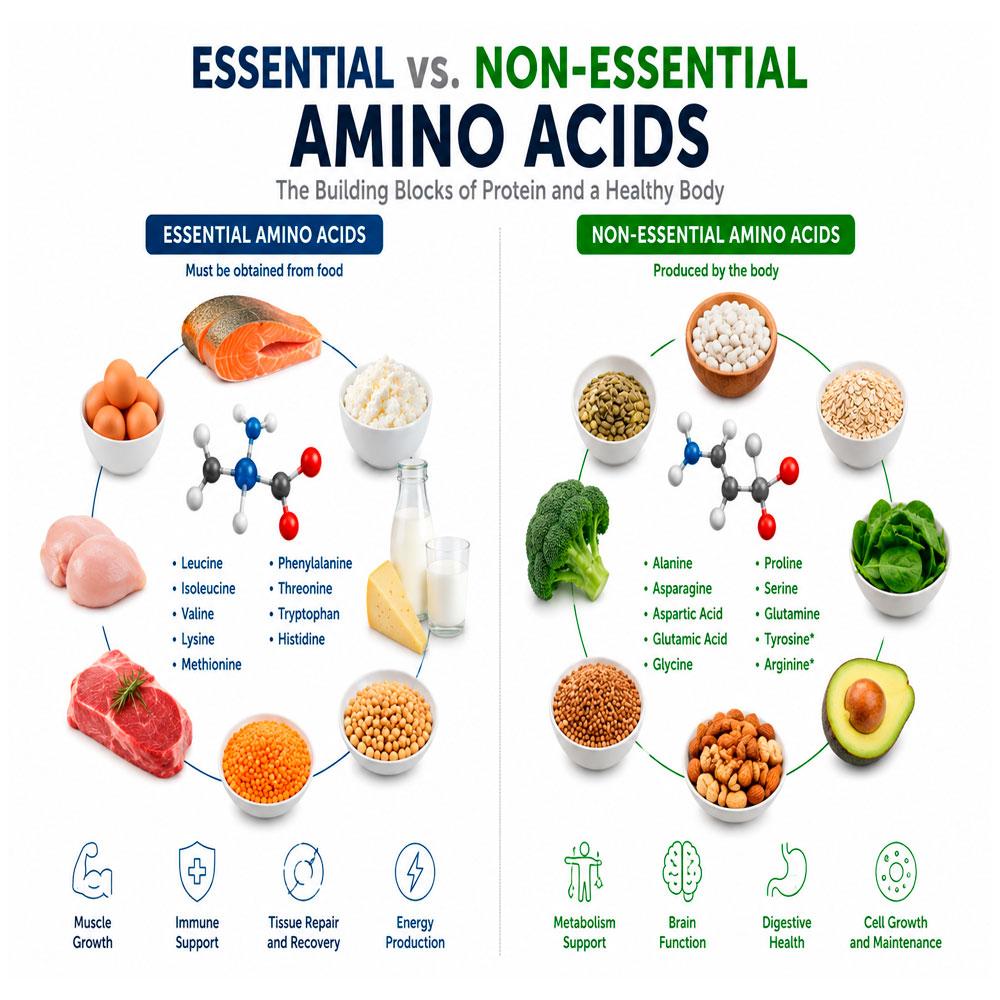
Discover the differences between essential and non-essential amino acids, their health benefits, food sources, role in s...
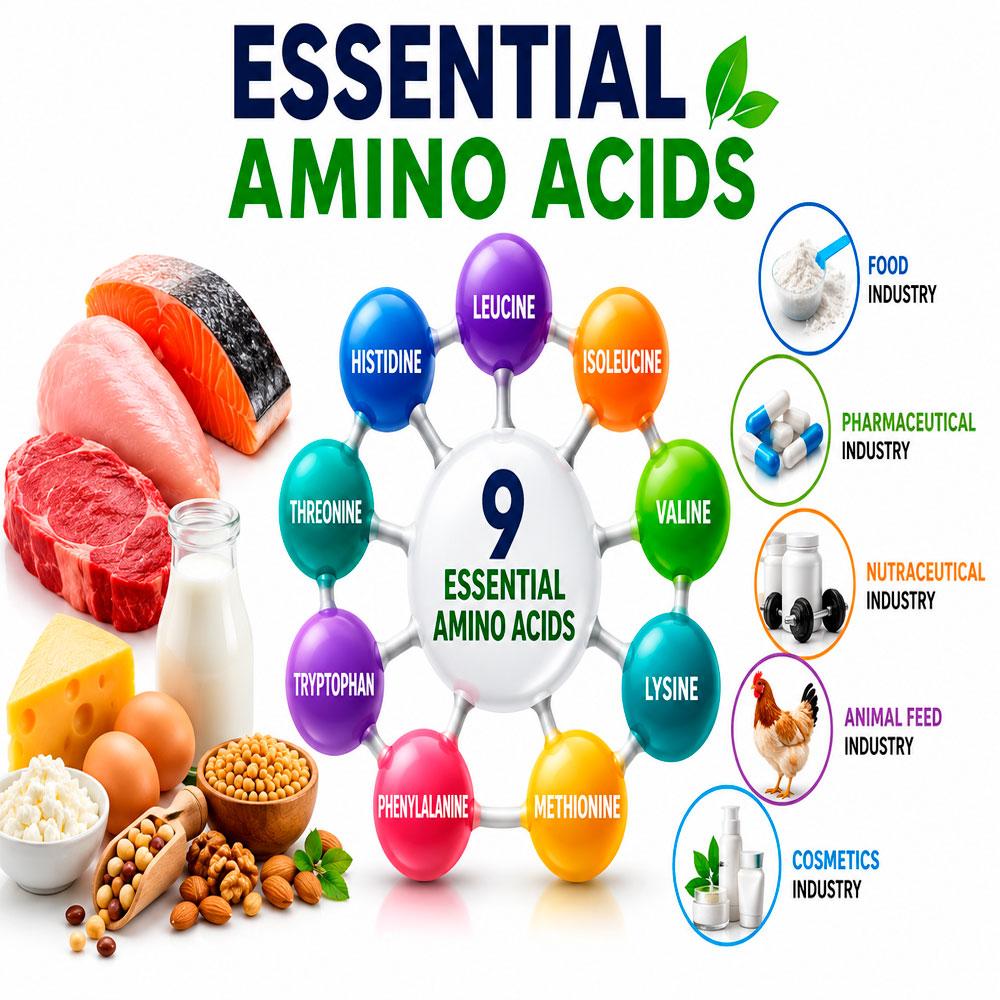
Essential amino acids (EAAs) are vital nutrients that support muscle growth, tissue repair, and overall health while ser...
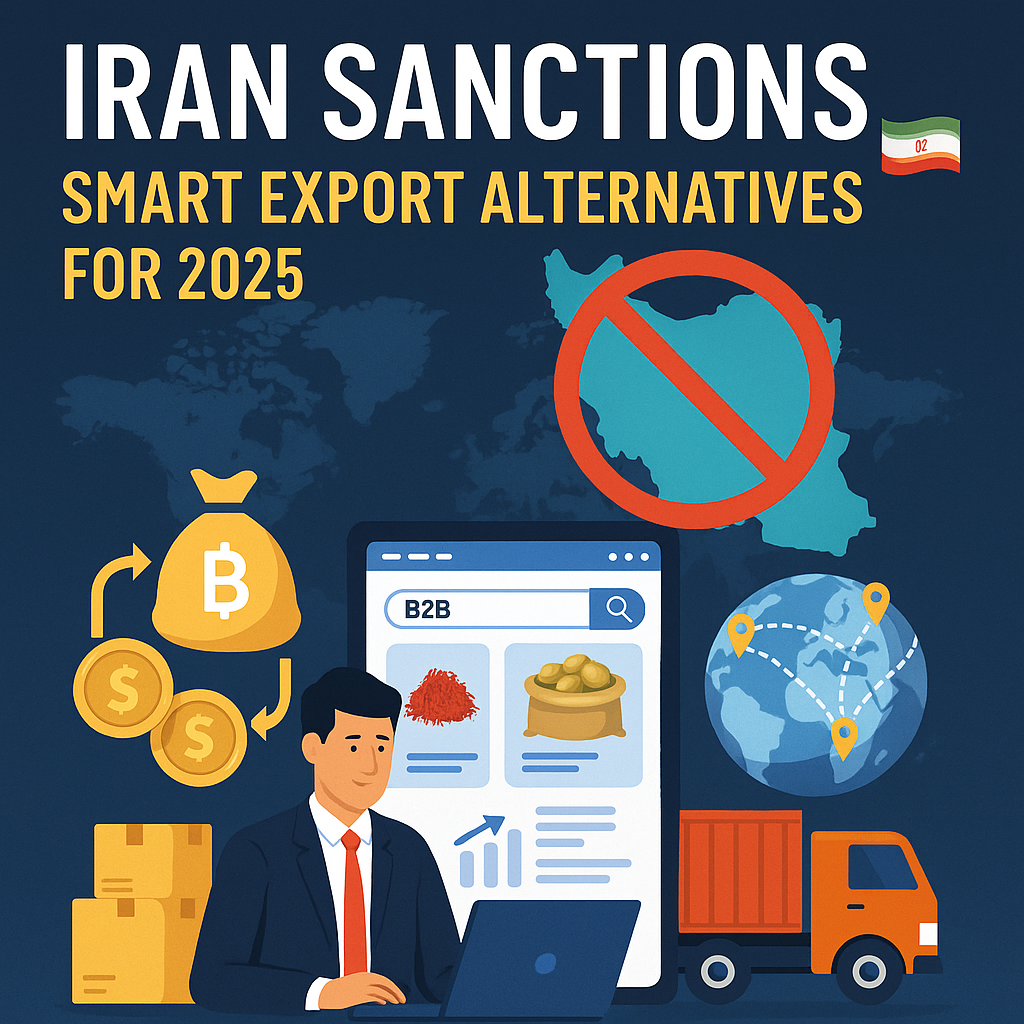
Despite sanctions, Iranian exporters continue to trade smarter in 2025, exploring new export alternatives, regional rout...