
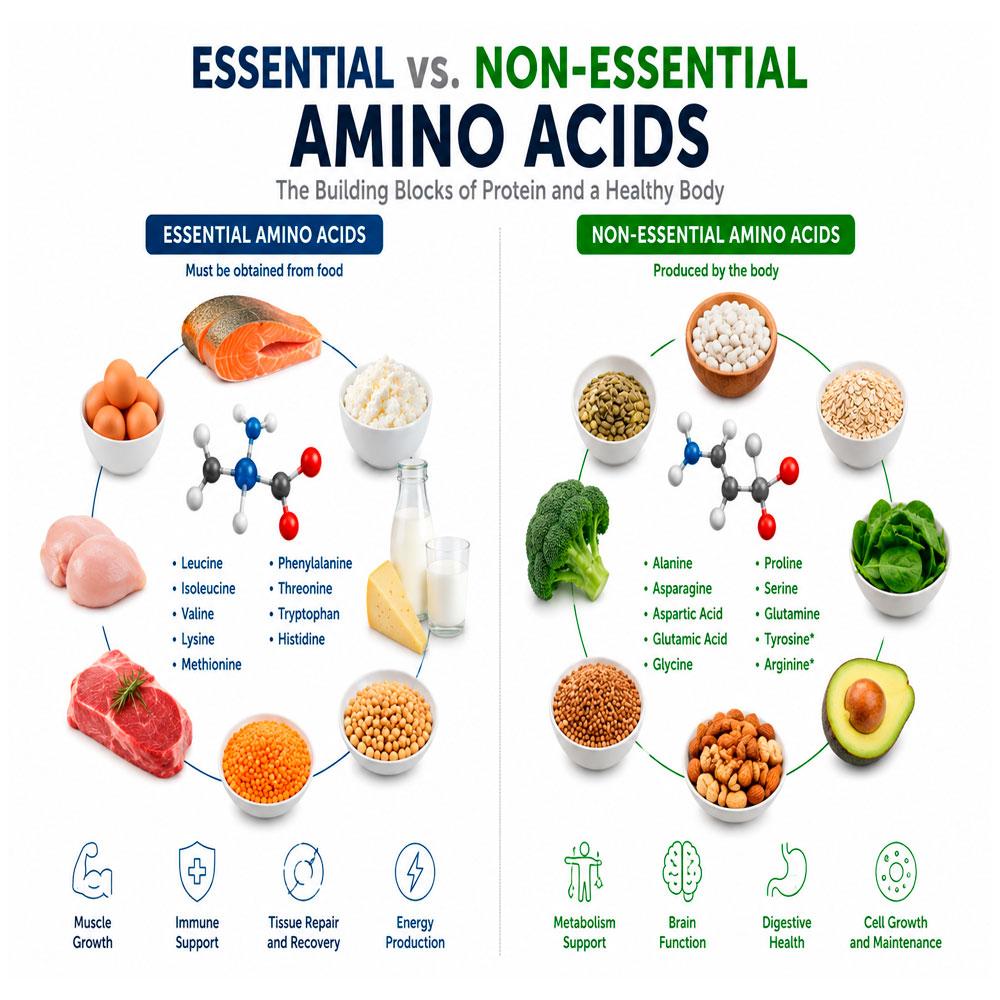
Discover the differences between essential and non-essential amino acids, their health benefits, food sources, role in s...
صادرات کن
The Strait of Hormuz is more than a strategic maritime passage. It is one of the most important links connecting energy-producing economies in the Middle East with major consumer and manufacturing markets across Asia and beyond.
The Strait connects the Persian Gulf with the Gulf of Oman and the Arabian Sea. Its importance comes from the enormous volume of energy and commodities that traditionally pass through it. In the first half of 2025, approximately 20.9 million barrels per day of oil and petroleum liquids moved through the Strait, equivalent to around 20% of global petroleum liquids consumption. About 89% of the crude oil and condensate passing through Hormuz was destined for Asian markets, with China, India, Japan and South Korea accounting for approximately 74% of those flows.
The significance of Hormuz has become even more apparent during the 2026 regional conflict. Average oil flows through the Strait fell sharply compared with the levels recorded before the disruption.
This disruption does not affect energy markets alone. It can influence freight costs, fertilizer prices, agricultural production, import costs and ultimately the competitiveness of exporters around the world.
For the BRICS economies, the issue is particularly important because the group includes major energy consumers, commodity exporters, manufacturing powers and countries located directly around the Persian Gulf.
Global trade depends on a relatively small number of maritime chokepoints. Hormuz is one of the most important because alternative routes cannot immediately replace its full capacity.
In addition to crude oil and petroleum products, significant volumes of liquefied natural gas also pass through the Strait. This makes Hormuz an important component of the international energy supply chain.
A prolonged disruption therefore creates several interconnected effects:
The result is a chain reaction that begins with transportation and energy markets but can eventually reach food, manufacturing and consumer markets.
The effect of Hormuz is not the same for every BRICS member.
Some BRICS countries are major energy importers, while others are major energy or commodity exporters. This creates an important economic imbalance within the group.
China is one of the world's largest energy consumers and a major destination for oil and LNG transported through maritime routes connected to the Persian Gulf.
Disruption in Hormuz can increase the cost of energy imports for Chinese manufacturers and logistics companies. Higher energy and transportation costs can subsequently affect the export prices of manufactured products.
At the same time, China has extensive trade relationships with Middle Eastern economies and may benefit from opportunities created by changes in global supply chains.
For Chinese exporters, the key issue is therefore not simply access to energy, but the total cost of moving goods from factories to international customers.
India is particularly exposed to changes in energy and shipping costs because of its large energy requirements and dependence on imported crude oil.
Higher energy prices can increase production and transportation costs across the Indian economy. This can affect the competitiveness of Indian exports, while increasing the cost of imported energy, raw materials and industrial inputs.
The impact can extend to agricultural trade as well. Higher fertilizer and fuel prices can increase farming and transportation costs, eventually affecting food exports.
South Africa is another economy that can experience indirect effects through higher energy, shipping and commodity prices.
Longer shipping routes and higher fuel costs can increase the landed cost of imported goods while reducing margins for exporters.
For agricultural and mineral exporters, transportation costs are particularly important because commodities often have relatively low value-to-weight ratios.
Brazil has a different position within BRICS because it is a major agricultural and commodity exporter.
Higher fertilizer and transportation costs can affect Brazilian agricultural production. Fertilizers are particularly important because they represent a significant input into large-scale agricultural production.
This creates an unusual situation: a disruption thousands of kilometers away can influence the cost structure of Brazilian exports of products such as soybeans, corn and other agricultural commodities.
Russia's position is different again because of its role as a major energy and commodity producer.
Changes in global energy flows can create both risks and opportunities. Higher energy prices may support export revenues, while restrictions on particular shipping routes can increase transportation costs and complicate access to some markets.
This demonstrates an important feature of the Hormuz crisis: the same event can increase revenues for one exporter while simultaneously increasing costs for another.
One of the most important consequences of a disruption in Hormuz is the increase in the cost of international trade.
When fuel prices rise, exporters face higher costs at almost every stage of the supply chain:
Production → Packaging → Inland Transportation → Port Handling → Ocean Freight → Insurance → Importation → Final Distribution
For exporters of heavy or low-value products, transportation can represent a particularly significant share of the final price.
This is especially relevant to agricultural commodities, fertilizers, minerals, metals and other bulk products.
For higher-value products, however, companies may have greater flexibility to absorb transportation increases or use alternative routes.
Companies do not necessarily stop trading when a major maritime route becomes disrupted. Instead, they attempt to redesign their supply chains.
However, alternative routes usually come with additional costs.
Rail transportation between Asia and Europe, for example, can provide faster transit than some maritime routes but generally costs more. Similarly, rerouting vessels around the Cape of Good Hope can significantly increase sailing distance and fuel consumption.
Therefore, the real question for exporters is not simply:
"Can the shipment be delivered?"
It is:
"Can the shipment still be delivered at a competitive price?"
One of the less visible consequences of the Hormuz disruption is its potential effect on fertilizer markets.
Natural gas and energy are critical inputs in the production of many fertilizers, particularly nitrogen fertilizers. Any major increase in energy costs or disruption to production and transportation can therefore affect agricultural supply chains.
This creates a secondary chain reaction:
Energy disruption → Higher fertilizer costs → Higher agricultural production costs → Higher food prices → Higher export prices
For countries heavily dependent on agricultural exports, this can reduce competitiveness.
Farmers may also respond by reducing fertilizer use, changing crop choices or accepting lower yields. In the longer term, this can affect the international supply of grains and other agricultural products.
The impact of Hormuz extends beyond oil and gas.
Global commodity markets are interconnected. Large commodity trading companies can redirect cargoes toward markets offering higher prices, store physical commodities and adjust their trading strategies according to regional supply and demand.
As a result, a disruption in one region can rapidly influence prices in markets that are geographically distant from the original disruption.
This is particularly important for:
The Persian Gulf region is important not only because of its energy production but also because energy is an input into the production of many other commodities.
Higher prices for refined petroleum products such as diesel, marine fuel and gasoline increase the cost of almost every transportation mode.
For exporters, this creates a direct increase in logistics expenses.
A shipment of agricultural products, for example, may require:
An increase in fuel prices can therefore affect the product several times before it reaches the final customer.
For exporters operating with narrow margins, even a moderate increase in logistics costs can make a previously profitable trade route unattractive.
The Strait of Hormuz crisis demonstrates why modern exporters cannot rely exclusively on one transportation route or one international market.
Businesses can reduce their exposure through supply-chain diversification.
Exporters can reduce dependence on a single destination by developing several markets across different regions.
For example, an agricultural exporter may serve customers in:
This approach can reduce the impact of a disruption affecting one specific market.
Exporters should also evaluate more than one logistics corridor.
Alternative ports, land routes, rail connections and multimodal transportation can provide additional flexibility during disruptions.
Higher-value products can be more resilient to transportation-cost increases.
This is particularly relevant to processed agricultural products.
Instead of exporting raw agricultural materials, producers can increase value through:
A higher-value product can potentially absorb additional logistics costs more easily than a low-value bulk commodity.
The disruption also creates opportunities.
Products with long shelf lives and lower transportation frequency requirements can become more attractive in uncertain supply-chain conditions.
Freeze-dried fruits, dried vegetables, nuts, saffron and other shelf-stable agricultural products are examples of products that can be transported and stored for longer periods compared with many fresh products.
For international buyers, this can provide several advantages:
This does not eliminate transportation costs, but it can improve supply-chain flexibility.
For exporters, the combination of product value, shelf life and market diversification becomes increasingly important when international shipping conditions are unstable.
The importance of Hormuz also highlights a broader transformation in global trade.
BRICS includes major energy producers, agricultural exporters, manufacturing economies and rapidly growing consumer markets. This gives the group a significant role in global commodity and supply-chain networks.
A prolonged disruption in Hormuz could encourage BRICS members to:
For exporters, these changes may create new commercial opportunities as companies search for alternative suppliers and markets.
The OECD's March 2026 Interim Economic Outlook projected global GDP growth of approximately 2.9% in 2026 and 3.0% in 2027. However, it also warned that higher energy and fertilizer prices, combined with uncertainty surrounding the Middle East conflict, could raise inflation and weaken demand.
The OECD projected G20 inflation at around 4.0% in 2026, higher than previously expected. The organization also noted that a prolonged disruption to Hormuz or sustained closures of oil and gas facilities could produce significantly worse economic outcomes.
This means that the economic consequences of Hormuz should not be measured only by the price of oil.
The more important question is how long higher transportation, energy and commodity costs remain embedded in global supply chains.
The Strait of Hormuz is a critical component of the global trading system. Its importance extends far beyond crude oil.
Disruption to the Strait can influence energy prices, shipping costs, fertilizer markets, agricultural production, industrial commodities, imports and exports.
For BRICS countries, the consequences are particularly significant because the group combines major energy consumers such as China and India with important energy and commodity producers such as Russia, Iran, Saudi Arabia and the United Arab Emirates.
For exporters, the lesson is equally important.
Global trade increasingly requires flexibility. Companies that depend on one market, one supplier or one transportation route may be more vulnerable to geopolitical disruptions. In contrast, exporters with diversified markets, alternative logistics routes, higher-value products and resilient supply chains can adapt more effectively.
The future of international trade will therefore depend not only on producing competitive products, but also on the ability to move those products reliably, efficiently and profitably across an increasingly uncertain global supply chain.
Discover the differences between essential and non-essential amino acids, their health benefits, food sources, role in s...
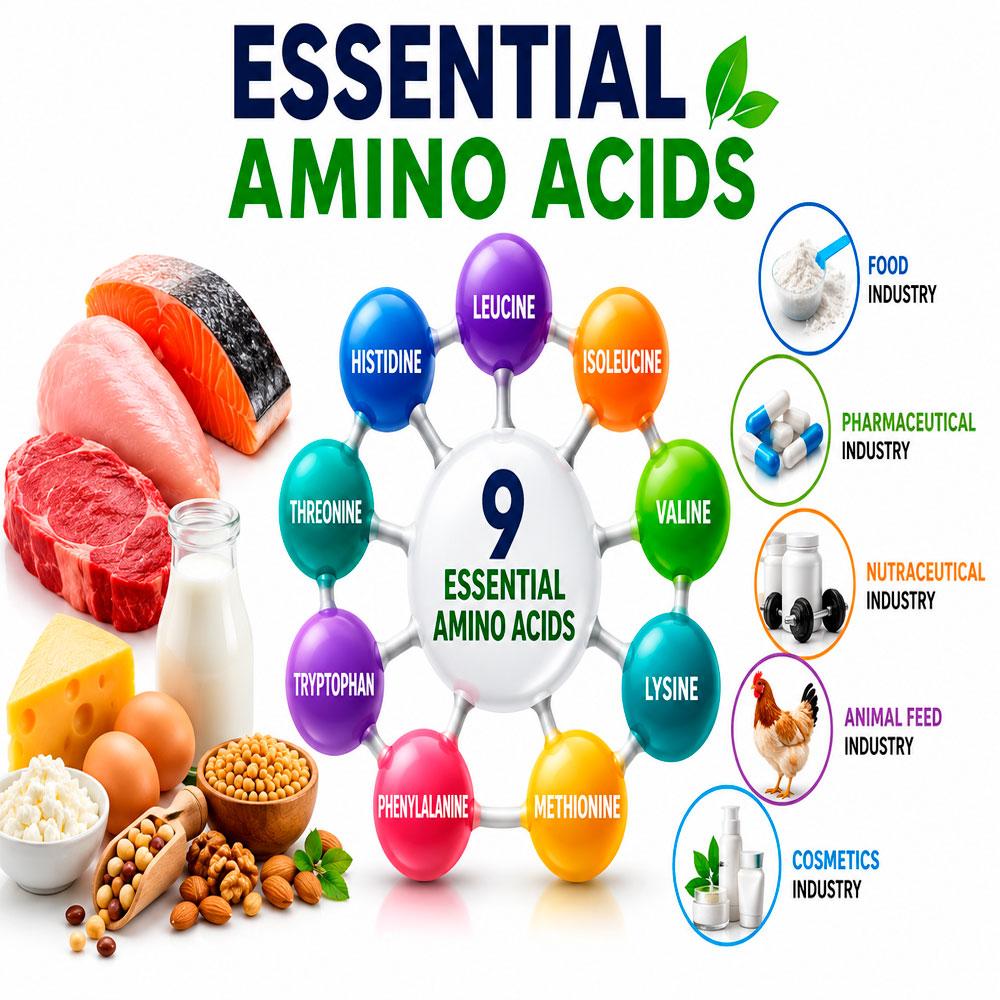
Essential amino acids (EAAs) are vital nutrients that support muscle growth, tissue repair, and overall health while ser...
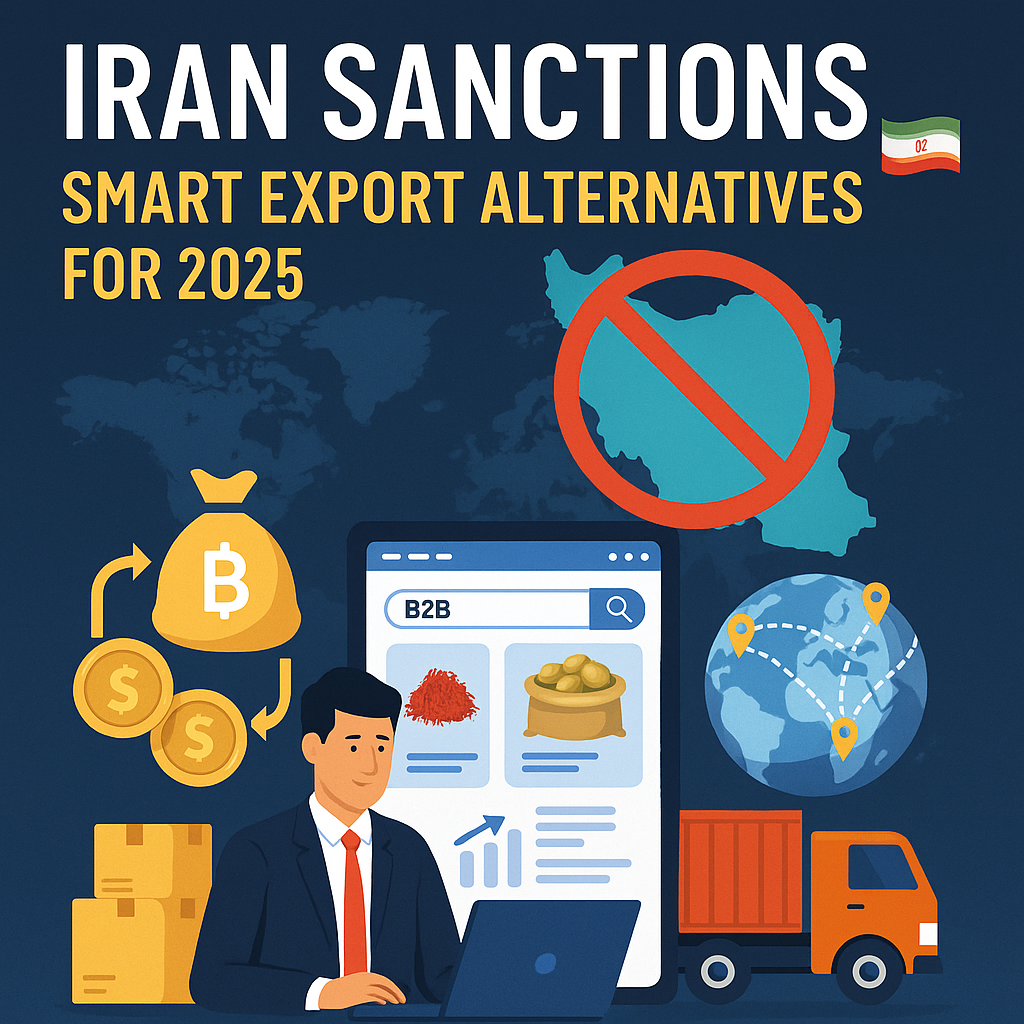
Despite sanctions, Iranian exporters continue to trade smarter in 2025, exploring new export alternatives, regional rout...
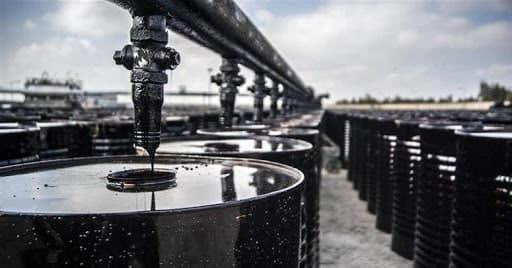
Discover how Iran, with vast oil and gas reserves, leads Middle East exports in crude oil, gas, petrochemicals, and bitu...