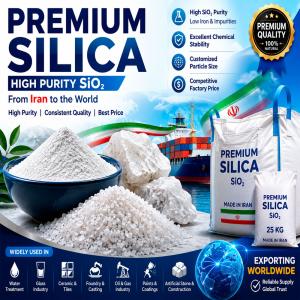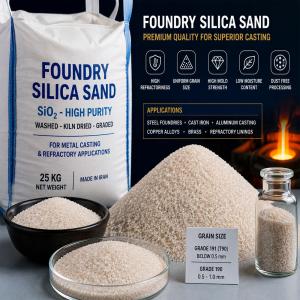
Export Silica from Iran at the Best Price – Complete
- Silica for concrete — available as microsilica, silica sand, and silica flour — significantly improves compressive strength, reduces permeability, and enhances durability against freeze-thaw and sulfate attacks.
- Export pricing ranges from $20–$70/ton for sand and flour, while microsilica starts at $120+/ton, with Iranian products complying with ASTM C 1240, EN 13263, and JIS A 6207 standards.
- Key export markets include Turkey ($4.04M), Azerbaijan, Italy, Oman, and Pakistan, with Iran benefiting from low production costs, abundant raw materials, and 0% export duties.
- Successful export requires obtaining a Commercial ID, a Standard Conformity Certificate, registration in the Comprehensive Trade System, plus proper documentation (MSDS, CoA, third-party inspection).
- Logistics best practices involve packaging in jumbo or 40/50 kg bags, choosing FOB Bandar Abbas for regional buyers or DAP/DDP for Europe, and managing ancillary costs (2–5% of FOB value) to secure optimal pricing.


Exporting Silica for Concrete from Iran
Pricing Analysis for Export
Based on available market information, here is a price analysis for different silica products for export:
| Product Type | Estimated Price Range (USD per ton, FOB Iran) | Key Specifications |
|---|---|---|
| Microsilica / Silica Fume | $120+ / tonne | Complies with ASTM C 1240, EN 13263, JIS A 6207 |
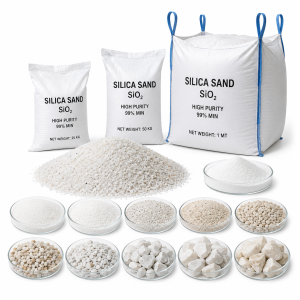
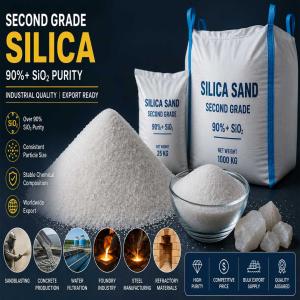
| Construction-grade Silica Sand | $20 – $70 | Varies by mesh size and purity |
| High-Purity Silica Flour | $40 – $70+ | For specialised applications |
Export Analysis Table for Silica from Iran
| Analysis Factor | Status / Details | Implications |
|---|---|---|
| Primary Export Products | Microsilica (Silica Fume), Silica Sand, Silica Flour | High-value microsilica is key for concrete applications. |
| Competitive Advantage | Low production costs, abundant raw materials, strategic location | Offers a price advantage in regional and global markets. |
| Key Standards | ASTM C 1240, EN 13263, JIS A 6207, Iran National Standard 13278 | Compliance facilitates entry into demanding markets. |
| Market Demand | High demand in Middle East, CIS countries, Pakistan | Close proximity reduces logistics costs. |
| Major Export Destinations | Turkey ($4.04M), Azerbaijan ($304k), Italy ($267k), Oman ($205k), Pakistan | Turkey is the fastest-growing market (2021–2022). |
| Export Licenses & Procedures | Requires Commercial ID (کارت بازرگانی), Standard Conformity Certificate (گواهی انطباق), and registration in the Comprehensive Trade System (سامانه جامع تجارت) | Essential for legal and compliant export. See detailed guide below. |
| Export Duties | Currently 0% for related products | Reduces overall export costs. |
| Logistics & Packaging | Jumbo bags (up to 750 kg), 40 kg bags, bulk | Flexibility to meet buyer requirements. |
Key Export Markets
Recent trade data highlights the following as key destinations for Iranian silicates:
- Turkey: The largest and fastest-growing market.
- Azerbaijan, Pakistan, and Oman: Significant buyers.
- Italy: A key European destination.
Best Practices and Procedure for Exporting from Iran
To export silica from Iran successfully and at the best price, consider the following steps:
1. Confirm HS Code and Obtain Licences
- Confirm HS Code: Verify the correct Harmonized System (HS) code for your specific product. For example, microsilica shipments have been observed under code 28112200 .
- Obtain Necessary Licences: The process involves several key licenses:
- Commercial ID (کارت بازرگانی): Issued by the Chamber of Commerce.
- Standard Conformity Certificate: From the National Standards Organization. This ensures your product meets the required specifications.
- Registration in the Comprehensive Trade System: Through the Ministry of Industry, Mine and Trade.
2. Adhere to Compliance and Standards
- Product Quality: Ensure your silica meets the required standards for the target market (e.g., ASTM C 1240 for microsilica). Higher purity can command better prices.
- Documentation: Prepare all necessary technical documents, including:
- Material Safety Data Sheet (MSDS)
- Certificate of Analysis (CoA)
- Third-party inspection reports (e.g., from SGS or Bureau Veritas) for quality assurance.
3. Manage Logistics and Packaging
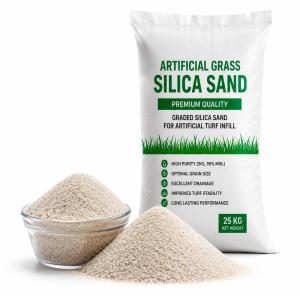
- Packaging: Common packaging includes 1-ton jumbo bags, 40 kg, or 50 kg bags.
- Shipping: Choose appropriate Incoterms (e.g., FOB from Bandar Abbas or Bandar Imam Khomeini). For European markets, DAP or DDP terms can be more competitive.
- Cost Management: While export duties are currently 0%, factor in ancillary costs like inspection fees and container sealing, which typically amount to 2–5% of the FOB value.
Export Process at a Glance
1. Licences
Commercial ID + Standard Certificate + Trade System registration
2. Packaging
Jumbo bags (750 kg) or 40/50 kg bags, bulk options
3. Docs
MSDS, CoA, third-party inspection (SGS, BV)
4. Shipping
FOB Bandar Abbas/Imam Khomeini; DAP/DDP for Europe
Conclusion
Exporting silica, particularly microsilica, from Iran offers a significant opportunity due to competitive pricing, adherence to international standards, and proximity to key markets. By following the correct licensing procedures, ensuring product quality, and targeting the right markets, exporters can achieve optimal pricing and establish a strong presence in the global concrete industry.
Add your review
Your email address will not be published. Required fields are marked *
Please login to write review!
Looks like there are no reviews yet.

- More than 4 Reviews
- Has more than 20 products
- More than 60% customer satisfactions
- warranty their products
- Has Order Returns
- Free Shipping
by Abrisham Road
Inspection group .co

Pars Silica Company
 From Iran


- Store rating
0
- Staff
> 10
- Offers
> 100
- Products
17