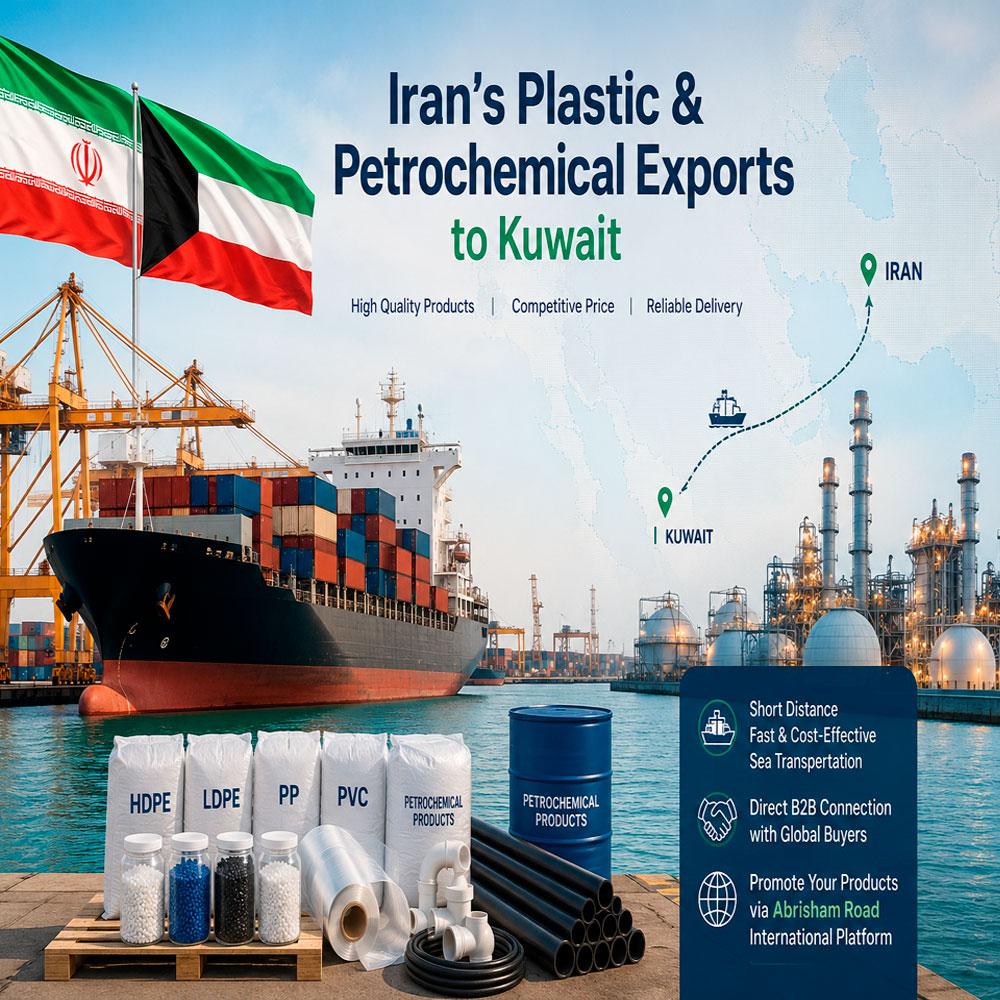
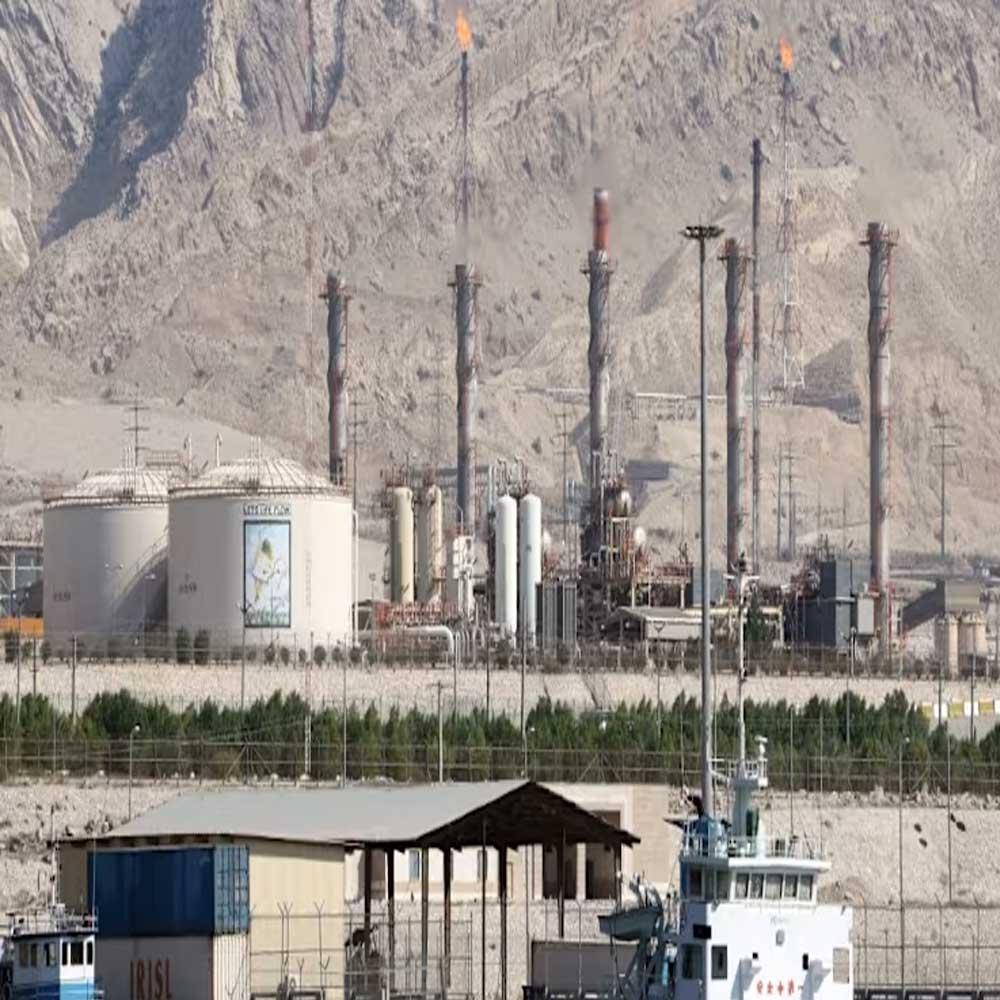
Iran's plastic and petrochemical industry is a leading non-oil export sector. Kuwait is a key market due to its proximit...
صادرات کن
The growth of e-commerce and B2B platforms has become one of the most important tools for expanding non-oil exports. Iran’s petrochemical and plastics industry, due to its high production capacity, product diversity, and competitive pricing, plays a major role in regional exports. Tajikistan, as a growing market in Central Asia, has increasing demand for polymer raw materials and plastic products. The International Abrisham Road Platform provides a digital environment for product promotion and direct communication between exporters and foreign buyers, helping to facilitate exports in this sector.
Expanding non-oil exports is a key objective of Iran’s economic strategy, and the petrochemical and plastics industries are among the most significant export sectors. Central Asian countries, particularly Tajikistan, require polymer raw materials due to infrastructure development and industrial growth. B2B digital platforms enable direct interaction between producers and buyers, reducing costs and increasing efficiency while connecting Iranian manufacturers with global markets.
1. Polymer and Plastic Raw Materials
These materials are widely used in packaging, pipe manufacturing, and industrial production in Tajikistan.
2. Petrochemical Base Chemicals
They are used in construction, textile production, adhesives, and paint manufacturing.
3. Semi-Finished and Finished Plastic Products
These products are utilized in agriculture, construction, and the food industry.
4. Industrial Fibers and Polymer Materials
| No. | Product Category | Sample Products | Applications in Tajikistan | Usage Type |
|---|---|---|---|---|
| 1 | Polymer Raw Materials | Polyethylene, Polypropylene | Packaging and industrial parts manufacturing | Industrial |
| 2 | Construction Polymers | PVC | Pipes and building materials | Construction |
| 3 | Petrochemical Chemicals | Resins, Silicones | Adhesives, paints, textile industry | Industrial |
| 4 | Plastic Products | Plastic bags, packaging films | Agriculture and food packaging | Industrial & Consumer |
| 5 | Construction Plastic Products | Plastic pipes and hoses | Water and sewage systems | Construction |
| 6 | Synthetic Fibers | Polyester | Textile and clothing production | Industrial |
Tajikistan’s developing economy has increasing demand for imported plastic raw materials due to expanding construction, agriculture, and packaging sectors. Limited domestic production makes imports essential. Geographic proximity, cultural ties, and relatively low transportation costs provide Iran with a competitive advantage.
Direct Trade Connections
The platform enables Iranian manufacturers to present their products online and communicate directly with Tajik buyers, reducing reliance on traditional intermediaries.
Digital Marketing and Product Promotion
Producers can showcase products through an online marketplace and benefit from digital advertising and international exposure.
Market Information and Trade Negotiation Support
B2B tools allow exporters to access market data, communicate with buyers, and streamline contract negotiations.
Logistics and Export Facilitation
Guidance on transportation, customs procedures, and shipping coordination helps exporters manage deliveries efficiently.
Support for Small and Medium Enterprises (SMEs)
The platform enables SMEs to enter foreign markets without high marketing or exhibition costs.
Advantages
Reduced marketing costs, expanded access to international markets, faster negotiations, and enhanced regional trade growth.
Challenges
Need for reliable digital infrastructure, trust-building in online transactions, user familiarity with e-commerce systems, and international payment constraints.
The International Abrisham Road Platform can play a significant role in expanding exports of petrochemical and plastic products to Tajikistan by providing digital marketing tools, communication channels, and export facilitation services. Its use can enhance non-oil exports and strengthen economic cooperation between the two countries.
Iran's plastic and petrochemical industry is a leading non-oil export sector. Kuwait is a key market due to its proximit...
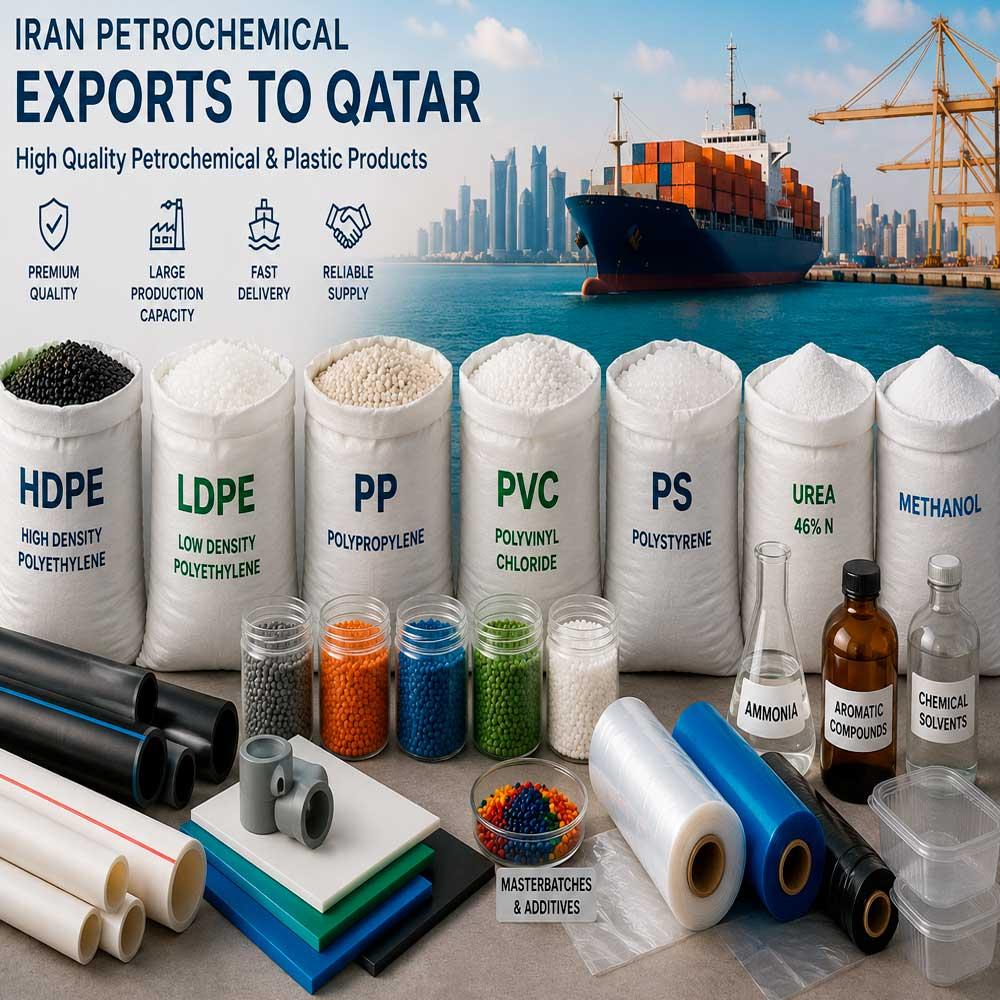
Iran’s petrochemical and plastics industry is a major pillar of its non-oil economy, supported by vast oil and gas resou...
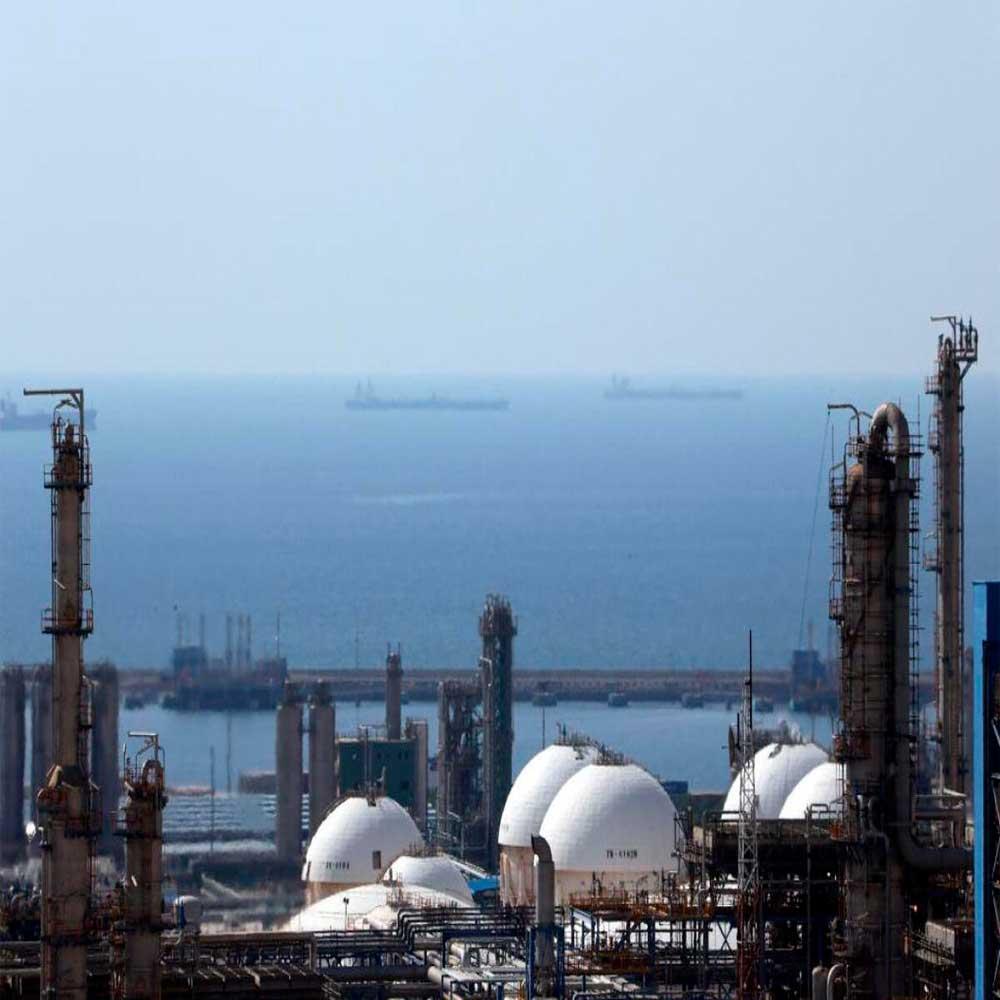
Oman has become a strategic gateway for Iranian plastic and petrochemical exports. This article explores key export prod...
This article explores Iran’s petrochemical and plastic exports to Thailand, highlighting key export products, trade oppo...