
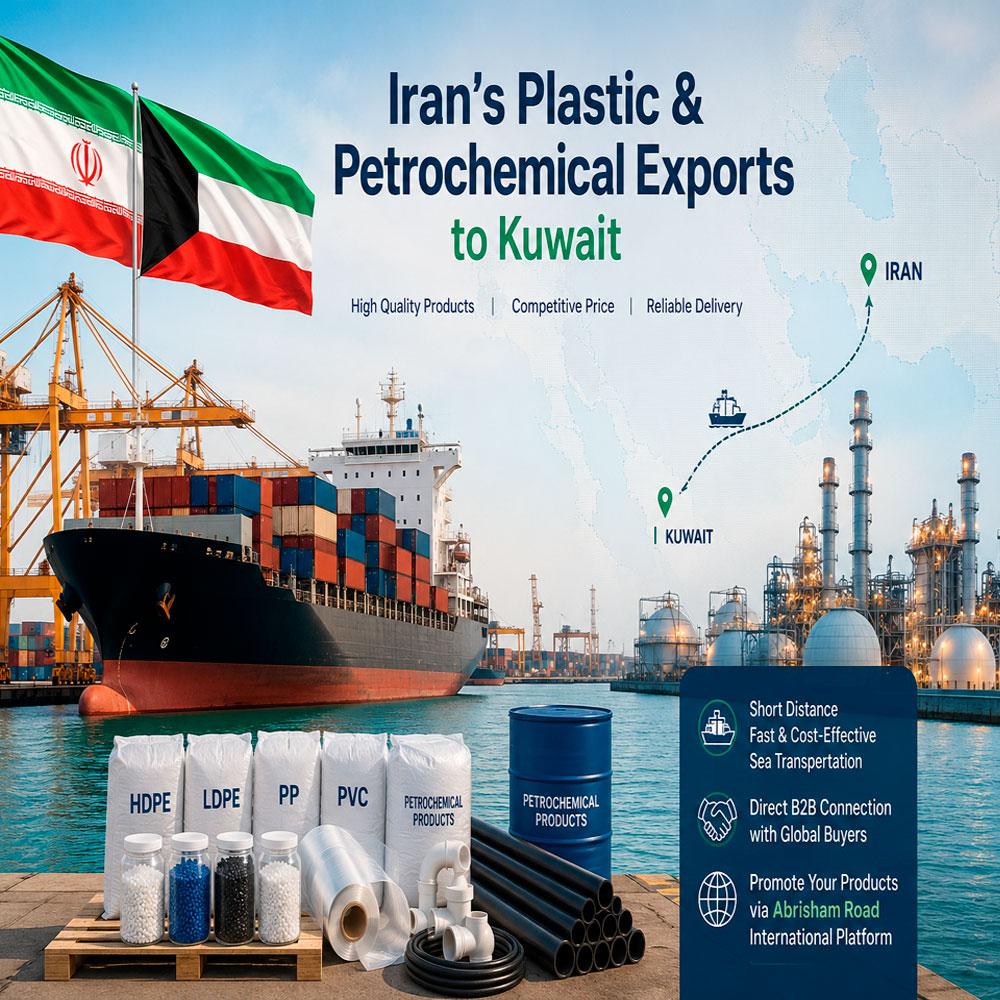
Iran's plastic and petrochemical industry is a leading non-oil export sector. Kuwait is a key market due to its proximit...
صادرات کن
In recent years, Oman has emerged as one of Iran’s most important trading partners in the Persian Gulf region. Thanks to its strategic geographic location, advanced port infrastructure, and business-friendly trade policies, Oman has become an attractive destination for Iranian exports, particularly plastic and petrochemical products. Today, many Iranian manufacturers and exporters view Oman not only as a local market but also as a regional hub for re-exporting goods to international markets.
The petrochemical and plastics industry is one of the key pillars of Iran's non-oil exports. With abundant oil and natural gas resources, Iran is capable of producing a wide range of petrochemical products and polymer raw materials at competitive prices.
At the same time, Oman has positioned itself as a major logistics and trade hub connecting the Middle East, Africa, South Asia, and global shipping routes. The growing trade volume between the two countries reflects increasing demand for Iranian petrochemical and plastic products in Oman and neighboring markets.
Iran exports a broad range of petrochemical products to Oman, including polymers, fertilizers, industrial chemicals, and petroleum derivatives. These products serve various industries such as packaging, construction, agriculture, automotive manufacturing, and consumer goods production.
| Product | Category | Main Applications |
|---|---|---|
| HDPE (High-Density Polyethylene) | Polymer | Pipes, containers, industrial packaging |
| LDPE (Low-Density Polyethylene) | Polymer | Plastic films, shopping bags, flexible packaging |
| LLDPE (Linear Low-Density Polyethylene) | Polymer | Agricultural films, stretch films, packaging |
| Polypropylene (PP) | Polymer | Automotive parts, textiles, packaging products |
| PVC (Polyvinyl Chloride) | Polymer | Construction materials, pipes, profiles |
| Polystyrene (PS) | Polymer | Disposable containers, insulation materials |
| Methanol | Petrochemical Feedstock | Chemical manufacturing, fuel additives |
| Urea | Fertilizer & Chemical | Agriculture and industrial applications |
| Bitumen | Petroleum Product | Road construction and infrastructure projects |
| Industrial Chemicals | Petrochemical | Various downstream industries |
In addition to petrochemical raw materials, Iran exports a wide variety of finished plastic products to Oman. These products support the packaging, construction, agriculture, and consumer goods sectors.
| Product | Industry Sector |
|---|---|
| Food Packaging Containers | Packaging |
| Plastic Films and Rolls | Packaging |
| Shopping Bags and Industrial Sacks | Retail & Industry |
| Polyethylene Water Tanks | Water Management |
| Plastic Sheets | Construction |
| Plastic Household Products | Consumer Goods |
| Agricultural Plastic Products | Agriculture |
| Polyethylene Pipes and Fittings | Construction & Infrastructure |
| Industrial Packaging Solutions | Manufacturing |
| Plastic Construction Components | Building Materials |
One of the key advantages of exporting to Oman is the availability of efficient maritime routes connecting major Iranian ports to Oman's logistics centers.
| Export Route | Origin Port (Iran) | Destination Port (Oman) | Main Cargo |
|---|---|---|---|
| Bandar Abbas – Sohar | Bandar Abbas | Sohar Port | Petrochemicals, polymers, plastics |
| Bandar Abbas – Muscat | Bandar Abbas | Muscat Port | Containerized goods and consumer products |
| Khorramshahr – Sohar | Khorramshahr | Sohar Port | Industrial products and petrochemicals |
| Jask – Northern Oman Ports | Jask | Northern Oman Ports | Bulk and container cargo |
Over the past decade, Oman has strengthened its position within global trade networks. Major ports such as Sohar, Salalah, and Duqm have evolved into strategic transshipment and logistics centers serving international markets.
Many international buyers prefer receiving Iranian products through Oman because the country offers efficient warehousing, distribution, packaging, and re-export services. As a result, Oman has become an important component of the modern Maritime Abrishamroad, connecting Asia, Africa, Europe, and the Middle East.
| Advantage | Benefit for Buyers |
|---|---|
| Strategic Geographic Location | Access to GCC, Africa, and South Asia |
| Modern Port Infrastructure | Efficient cargo handling and reduced transit times |
| Free Trade Zones | Tax and customs advantages |
| Re-Export Capabilities | Access to multiple regional markets |
| Advanced Warehousing Facilities | Inventory management and distribution |
| Strong Logistics Network | Reliable shipping and transportation services |
As construction, infrastructure, packaging, and logistics sectors continue to expand in Oman, demand for petrochemical and plastic products is expected to increase. Iranian exporters can leverage these opportunities to strengthen their presence in both the Omani market and regional export markets.
Oman is rapidly becoming one of the most important export gateways for Iranian products in the region. Its strategic location, world-class ports, efficient logistics infrastructure, and strong re-export capabilities make it an ideal destination for Iranian plastic and petrochemical exporters.
Companies that focus on product quality, international standards, competitive pricing, and reliable logistics services will be well-positioned to capture a larger share of Oman’s growing market and leverage the country as a gateway to global trade opportunities.
Iran's plastic and petrochemical industry is a leading non-oil export sector. Kuwait is a key market due to its proximit...
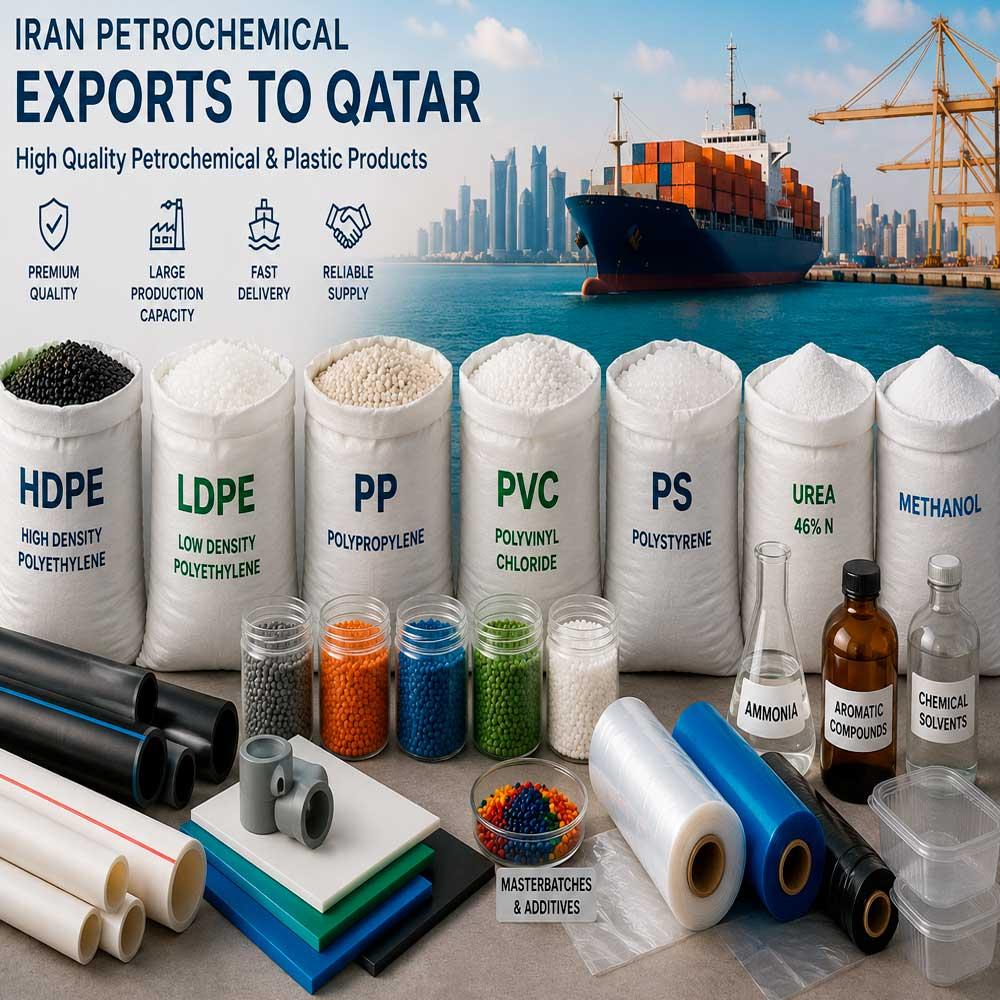
Iran’s petrochemical and plastics industry is a major pillar of its non-oil economy, supported by vast oil and gas resou...
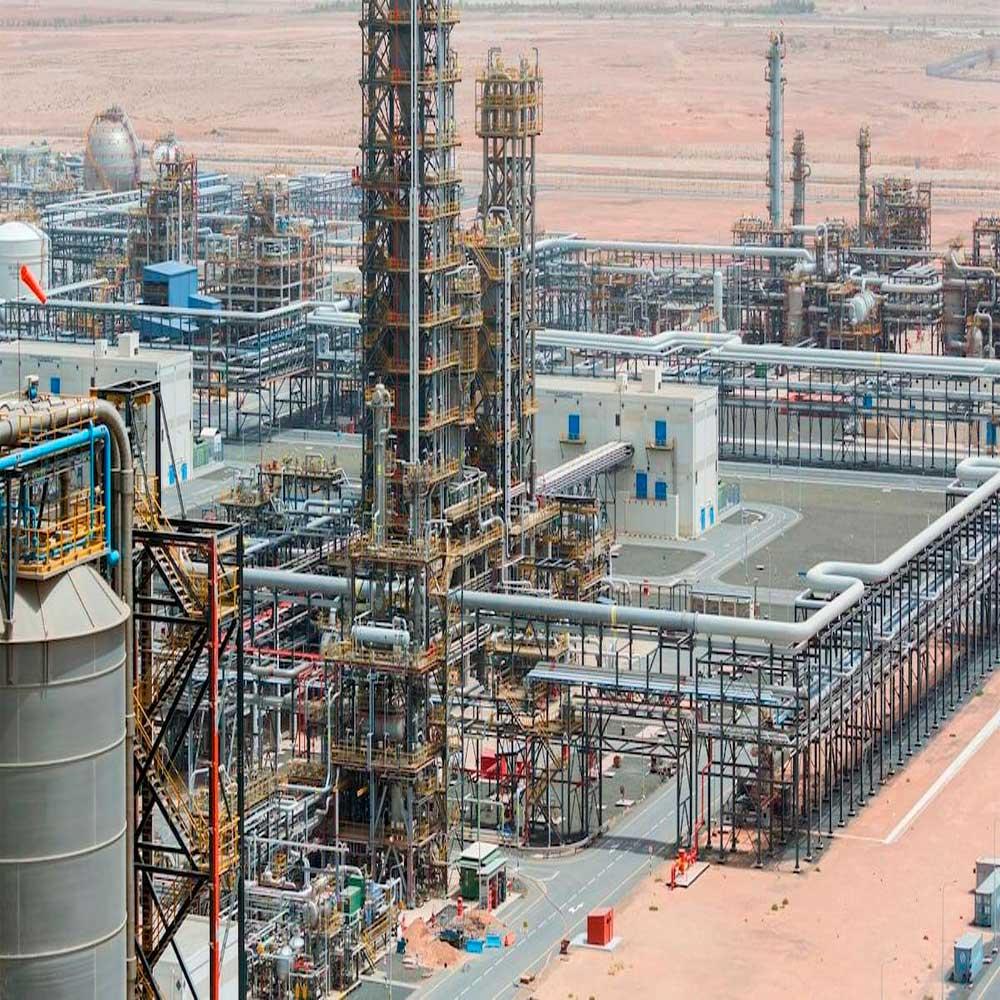
The International Abrisham Road Platform is helping transform Iran's petrochemical and plastics export industry by conne...
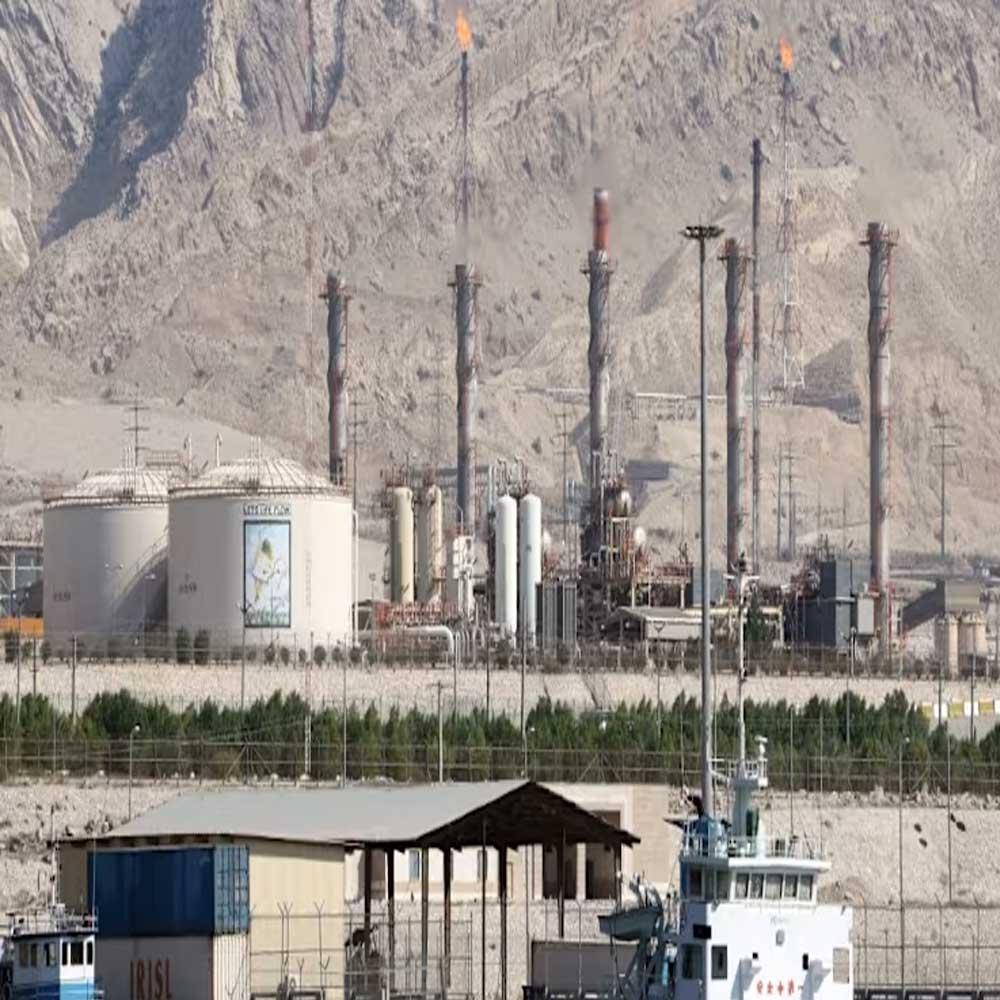
This article explores Iran’s petrochemical and plastic exports to Thailand, highlighting key export products, trade oppo...