
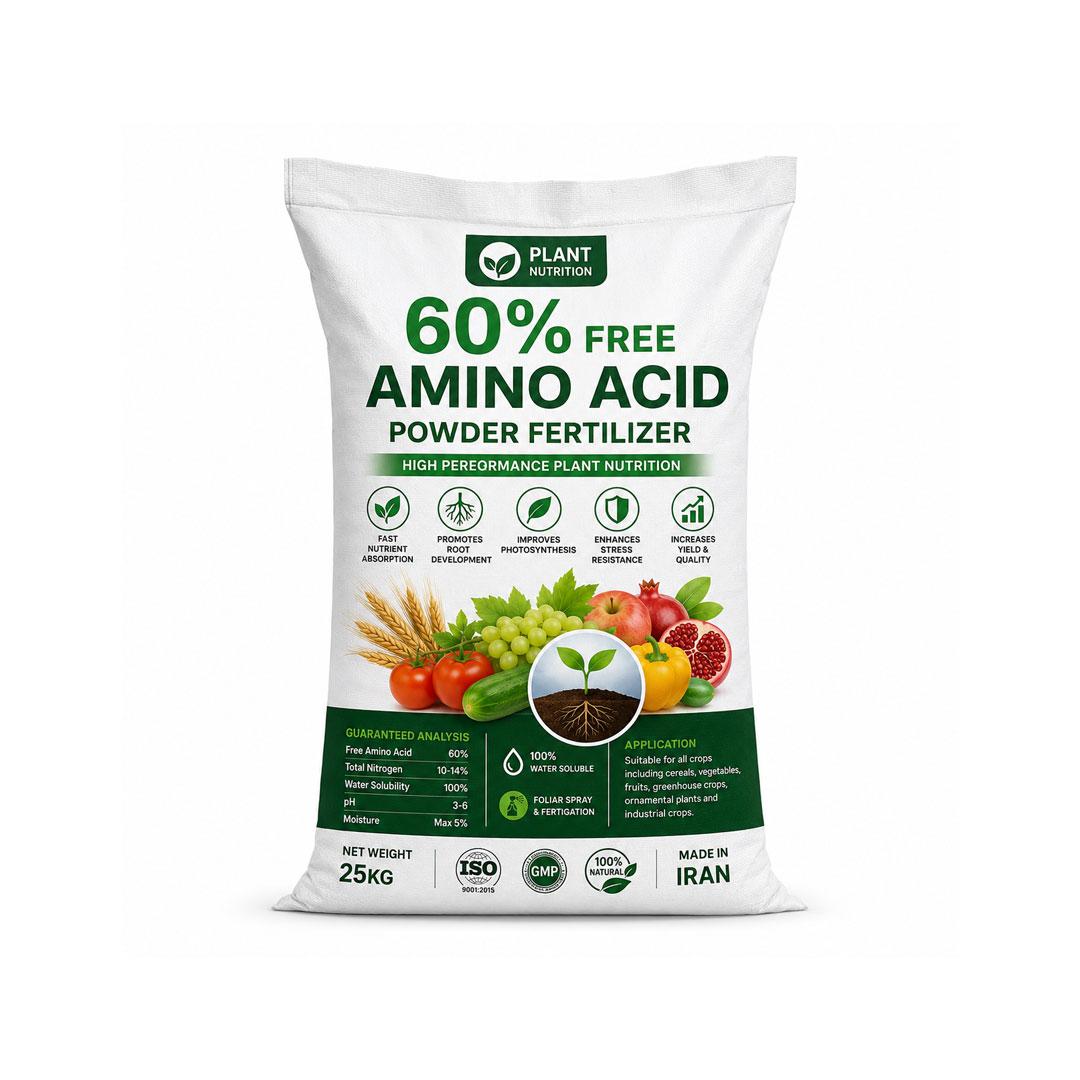
60% Free Amino Acid Powder Fertilizer from Iran, a powerful agricultural biostimulant designed to improve plant growth,...
صادرات کن
Proper plant nutrition is one of the most important factors influencing crop productivity, quality, and sustainable agriculture. Iron (Fe) is an essential micronutrient involved in chlorophyll synthesis, photosynthesis, enzyme activation, and plant respiration.
In calcareous and alkaline soils, iron frequently becomes unavailable to plants, resulting in iron deficiency, chlorosis, poor growth, and reduced yields. Amino Acid Fe Complex Iron Fertilizer for Plants has been developed to overcome these limitations by combining iron with amino acids that significantly improve nutrient absorption and mobility.
Amino Acid Fe Complex is a premium micronutrient fertilizer in which iron is complexed with natural amino acids such as glycine. This formulation enhances nutrient availability, allowing plants to absorb iron more efficiently through both leaves and roots.
Unlike conventional iron fertilizers that often become unavailable in alkaline soils, amino acid-complexed iron remains more accessible and can rapidly correct iron deficiency symptoms.
Key Benefits
Amino acids are not only carriers of iron but also important biostimulants that enhance plant metabolism and nutrient efficiency.
Iron deficiency usually appears first on young leaves because iron has limited mobility inside the plant.
Fruit Trees
Field Crops
Vegetables
Greenhouse & Ornamental Plants
Foliar Spray
Foliar spraying provides the fastest correction of iron deficiency because nutrients are directly absorbed through leaf tissues.
Fertigation
The fertilizer can also be applied through irrigation systems, allowing roots to absorb nutrients continuously throughout the growing season.
Always follow the manufacturer's recommended application rates.
| Feature | Amino Acid Fe Complex | EDTA-Fe | EDDHA-Fe |
|---|---|---|---|
| Foliar Absorption | Excellent | Good | Moderate |
| Speed of Action | Very Fast | Fast | Moderate |
| Soil Application | Good | Good | Excellent |
| Performance in Alkaline Soil | Good | Moderate | Excellent |
| High pH Stability | Good | Moderate | Outstanding |
The demand for specialty micronutrient fertilizers continues to grow worldwide due to precision agriculture, greenhouse cultivation, sustainable farming practices, and increased awareness of balanced plant nutrition.
Iran has become a competitive producer of specialty fertilizers thanks to its access to raw materials, experienced manufacturers, and strategic location.
Major Export Markets
The International Abrisham Road Platform helps manufacturers introduce their products to international buyers through a professional B2B marketplace. By publishing technical specifications, laboratory analyses, certifications, product catalogs, and export documentation, suppliers can improve visibility, build trust, and establish long-term commercial partnerships across global agricultural markets.
Amino Acid Fe Complex Iron Fertilizer for Plants is a highly efficient micronutrient fertilizer that improves iron uptake, enhances chlorophyll synthesis, boosts photosynthesis, and promotes healthier plant growth. Its superior absorption characteristics and stress-mitigation properties make it an ideal solution for modern agriculture.
With increasing global demand for specialty fertilizers and Iran's strong manufacturing capabilities, this product offers excellent export potential throughout the Middle East, Central Asia, Africa, and beyond.
What is Amino Acid Fe Complex Iron Fertilizer?
It is a micronutrient fertilizer in which iron is complexed with amino acids to improve nutrient absorption, mobility, and plant utilization.
Which crops can use this fertilizer?
It is suitable for fruit trees, vegetables, greenhouse crops, ornamental plants, and field crops.
Is it suitable for alkaline soils?
Yes. It performs well in alkaline soils, although EDDHA-Fe is generally preferred for soil applications in extremely calcareous soils with pH above 7.5.
What documents are required for export?
Typical export documentation includes a Certificate of Analysis (COA), Material Safety Data Sheet (MSDS), Certificate of Origin, export-standard packaging, English labeling, and product registration where applicable.
60% Free Amino Acid Powder Fertilizer from Iran, a powerful agricultural biostimulant designed to improve plant growth,...
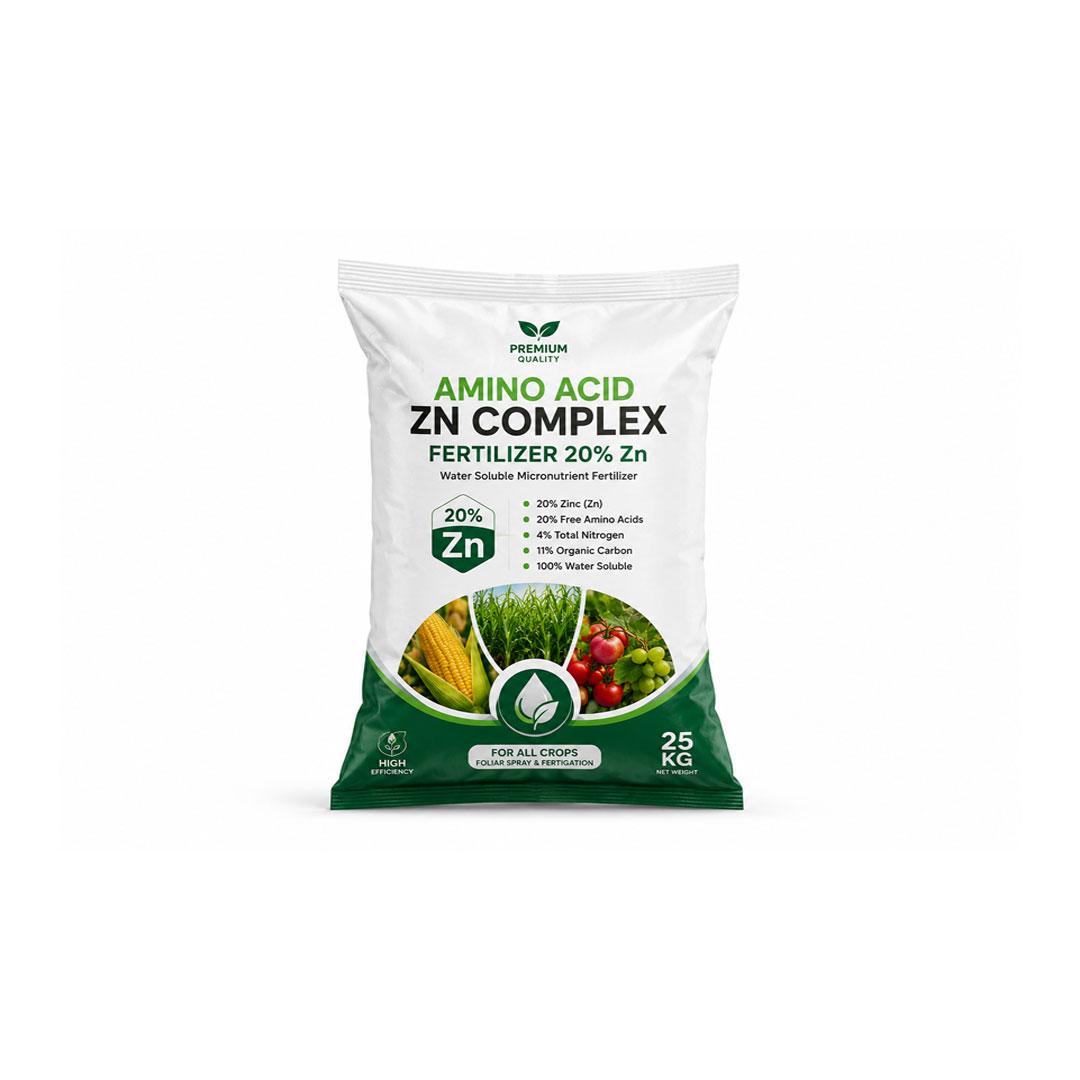
Amino Acid Zn Complex Fertilizer 20% Zn, a premium water-soluble chelated zinc fertilizer that enhances plant growth, yi...
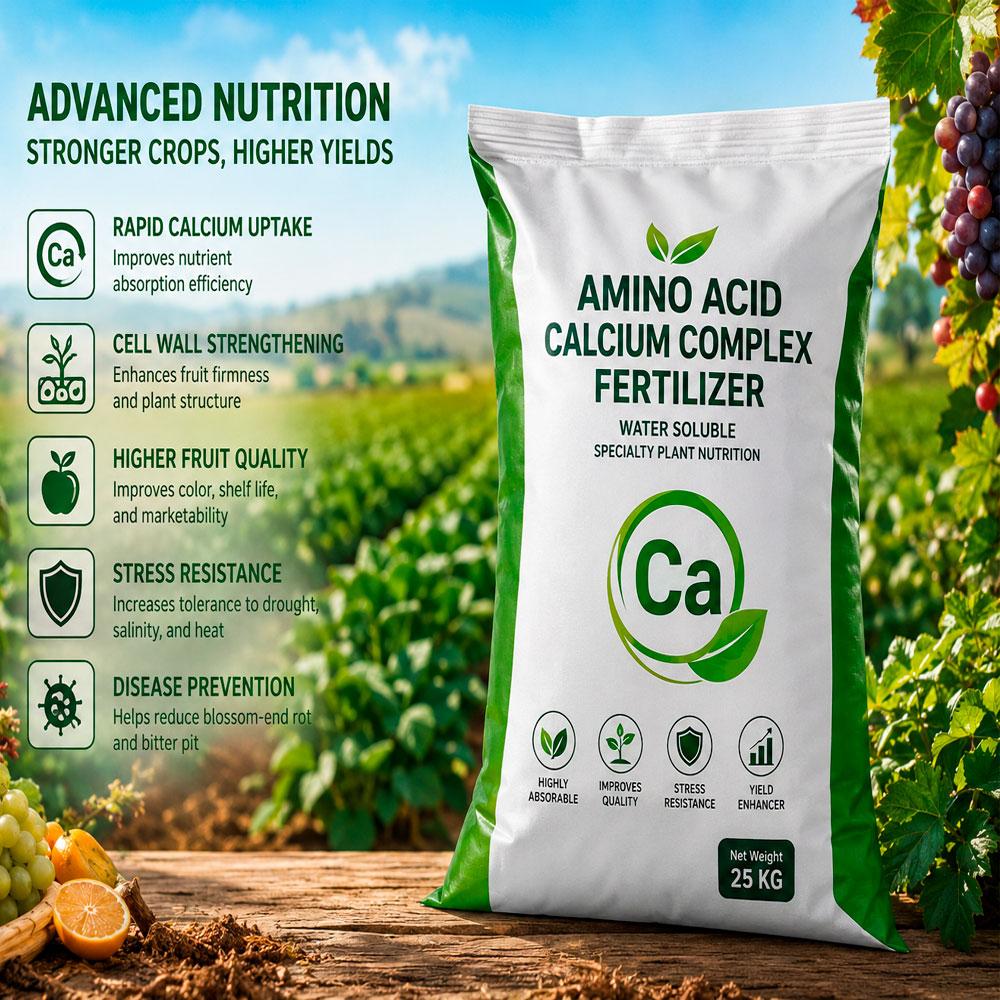
Amino Acid Calcium Complex Fertilizer enhances crop quality, nutrient absorption, and stress resistance while creating n...
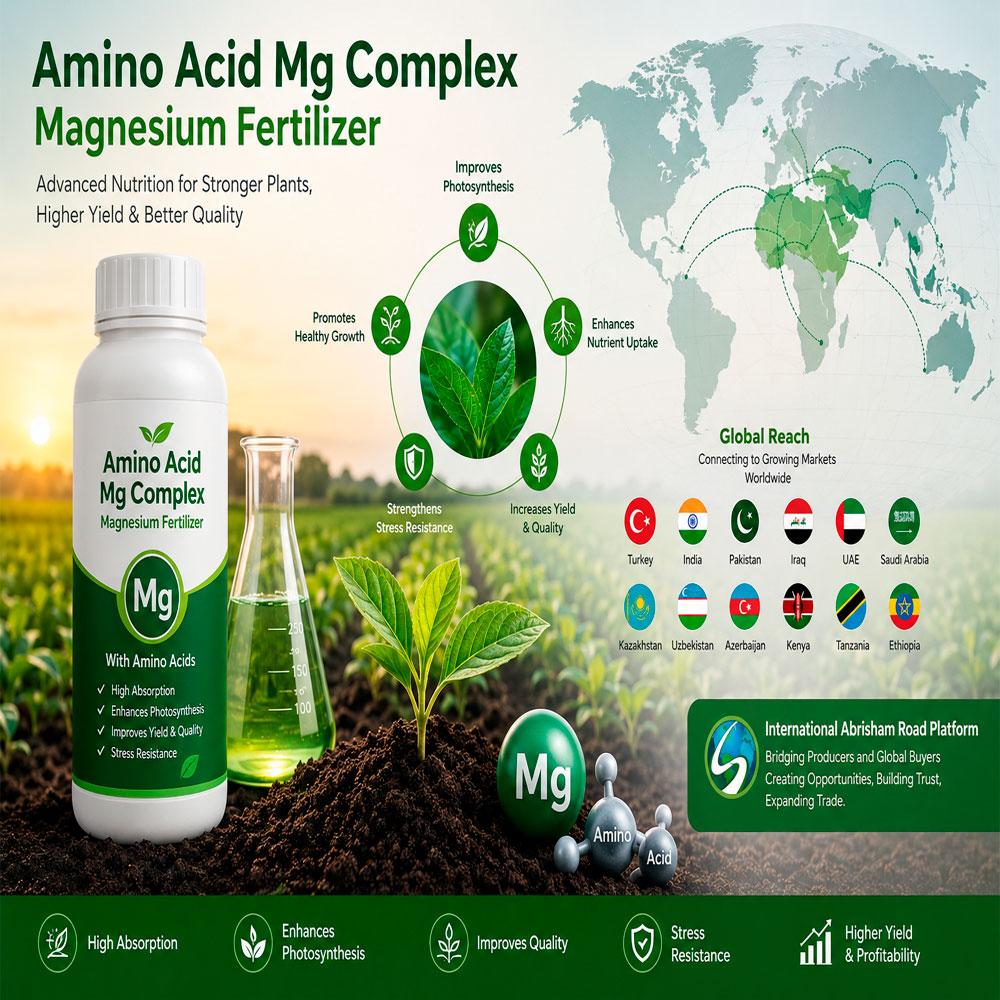
Amino Acid Mg Complex Magnesium Fertilizer, an advanced plant nutrition solution that improves magnesium absorption, boo...